
Understanding the Genetic Makeup of a Donkey
The genetic makeup of a donkey plays a crucial role in determining its physical characteristics and overall traits. Donkeys are members of the Equidae family, which also includes horses and zebras. Their genetic code consists of 62 chromosomes, which is different from horses that have 64 chromosomes. This difference in chromosome count is a result of specific genetic adaptations that have occurred throughout their evolutionary history.
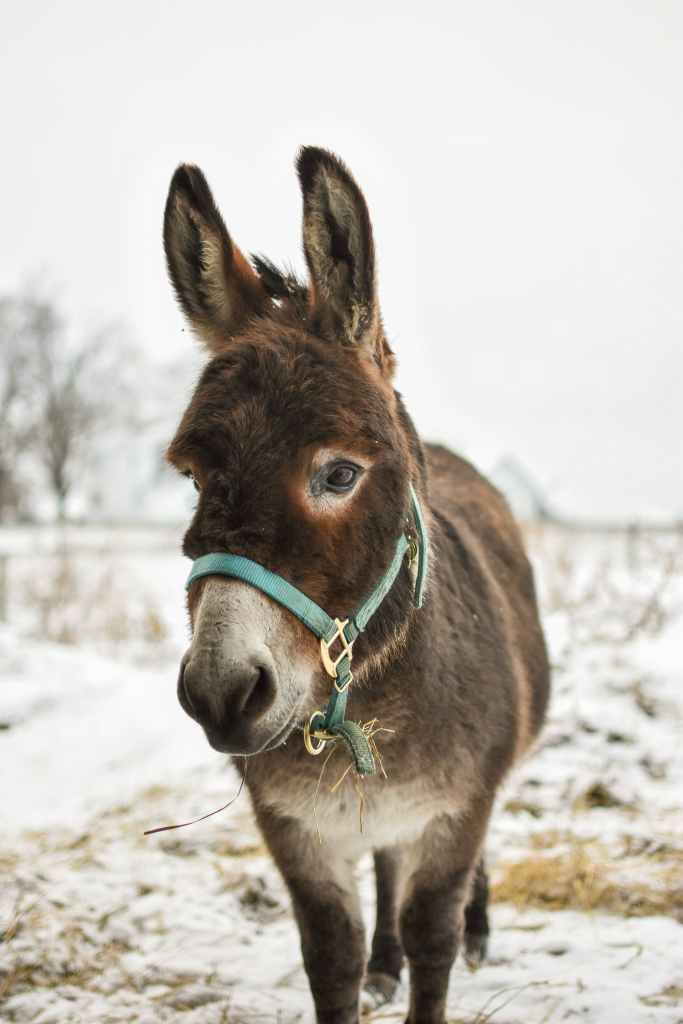
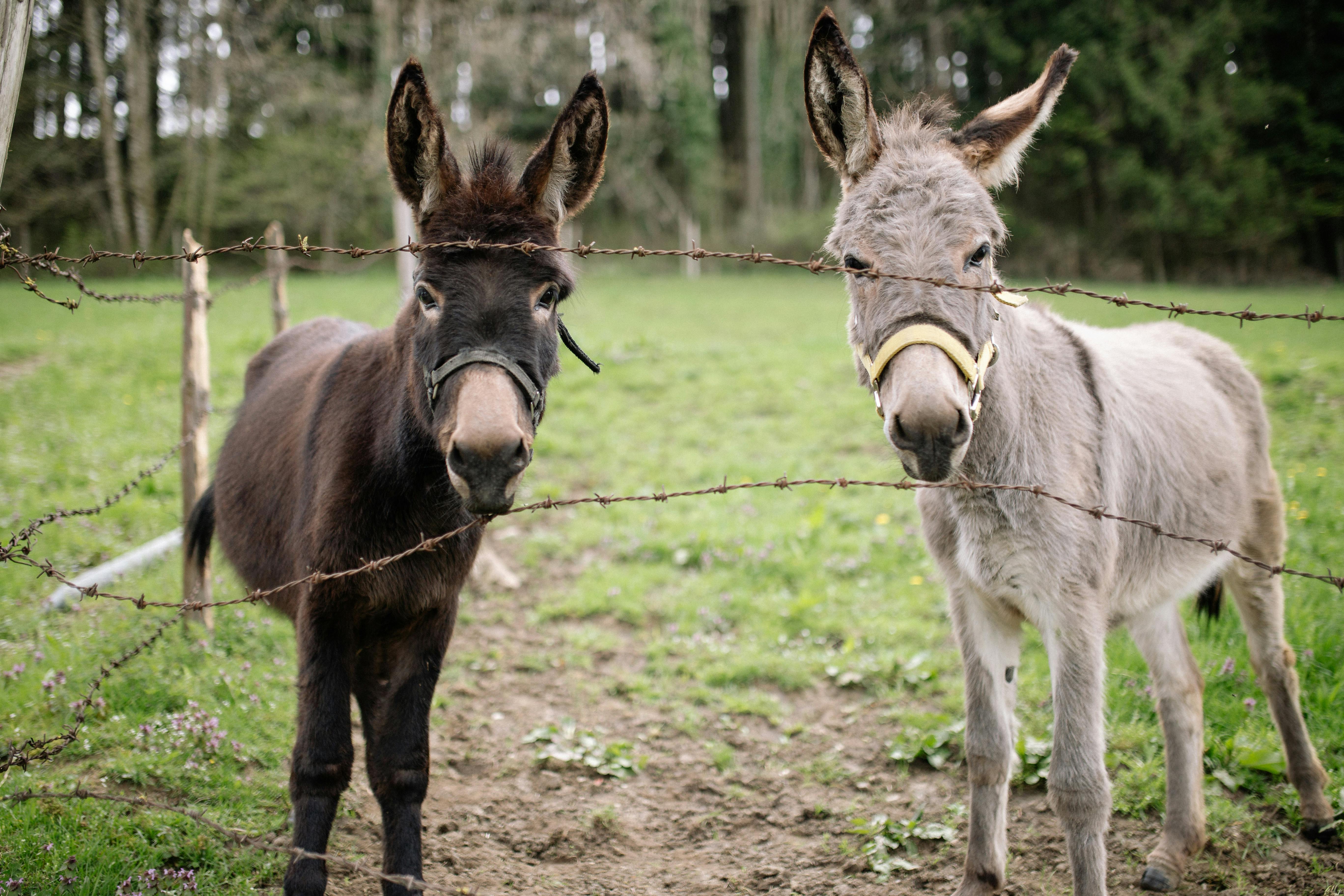
One important genetic aspect of donkeys is their unique coat coloration. With a wide range of colors such as gray, brown, black, and even spotted patterns, donkeys exhibit a diverse array of coat variations. This variation is influenced by the presence of specific genes that control pigmentation, resulting in the remarkable coat patterns seen in different donkey breeds. Understanding the genetic factors responsible for these coat color variations not only adds to our knowledge of donkey genetics but also provides insights into the processes of natural and artificial selection that have shaped these beautiful animals.
The Distinctive Characteristics of a Mule
Mules, the offspring of a male donkey and a female horse, possess distinctive characteristics that set them apart from both of their parent species. One of the notable features of mules is their tremendous strength and endurance. Mules inherit the physical attributes from their horse mothers, which gives them a larger size and more powerful muscles than donkeys. This physical strength allows mules to perform heavy-duty tasks, such as pulling heavy loads or carrying riders over long distances without tiring easily.
In addition to their physical prowess, mules exhibit exceptional intelligence and adaptability. They tend to possess a strong sense of self-preservation, making them cautious and aware of their surroundings. This intelligence, combined with their natural curiosity, makes mules quick learners, enabling them to be easily trained and handle complex tasks. Unlike horses or donkeys, mules also have the ability to think critically and make decisions based on their own judgment. This unique combination of strength, endurance, intelligence, and adaptability makes mules indispensable for various activities, such as farming, transportation, and even recreational purposes.
Key Similarities Between Donkeys and Horses
Donkeys and horses, despite their distinct appearances, share several key similarities. One notable similarity is their classification as members of the equine family, which means they both belong to the same taxonomic group. This genetic connection explains why both animals possess similar traits and characteristics. Additionally, donkeys and horses share a common ancestor, known as the wild ass or Equus africanus, which further explains their resemblances.
In terms of physical attributes, both donkeys and horses have hooves, long limbs, and tails. These features enable them to navigate various terrains and have a similar running gait. Furthermore, donkeys and horses possess similar digestive systems, relying on hindgut fermentation to break down plant material. This similarity in their digestive processes allows them to thrive on a diet consisting mostly of grass and hay. Despite their differences in size and strength, the shared anatomical similarities between donkeys and horses underscore their common evolutionary origins.
Differences in Physical Appearance Between Donkeys and Horses
Donkeys and horses are both equine animals, yet they possess distinct differences in physical appearance. One notable contrast is their body size. Donkeys are generally smaller than horses, with an average height ranging from 36 to 60 inches. Horses, on the other hand, tend to be taller, varying between 52 and 70 inches in height. This variation in size can be observed not only in their overall stature but also in the length and proportion of their limbs. Donkeys often have shorter and more stocky legs in relation to their body size, while horses tend to have longer and leaner legs.
Another prominent difference lies in their head shape. Donkeys typically possess a more compact and rounded head with a shorter, straighter profile. In contrast, horses display a longer, more elegant head shape with a curved profile. Additionally, donkeys often exhibit more prominent ears compared to horses. Their ears are relatively longer and stand upright, contributing to their distinctive appearance. In contrast, horses have shorter and more proportionate ears that may vary in orientation, being either upright or slightly forward-leaning. These dissimilarities in body size and head shape contribute to the unique physical appearances of donkeys and horses, highlighting their divergence despite their shared equine lineage.
The Role of Genetics in the Creation of Mules
One of the key factors in the creation of mules is the role of genetics. As donkeys and horses belong to different species, they have a different number of chromosomes. Donkeys have 62 chromosomes, while horses have 64. When these two animals reproduce, their genetic material combines in a unique way, resulting in offspring with 63 chromosomes. This odd number prevents the mules from producing viable reproductive cells, making them sterile.
The combination of genes from donkeys and horses also contributes to the distinctive characteristics of mules. Mules often inherit the physical traits of both parents, such as the body shape of the donkey and the height and strength of the horse. This unique blend makes mules well-suited for various tasks, with their endurance and sure-footedness inherited from the donkey, and the speed and agility from the horse. Additionally, mules tend to inherit certain disease-resistant genes from their donkey parent, making them less susceptible to certain health issues compared to horses.
Breeding Practices for Producing Mules
Breeding practices for producing mules require careful consideration and expertise. Mules are the result of breeding a male donkey with a female horse, and the success of this process depends on several factors. First and foremost, it is crucial to select compatible donkey and horse breeds for mating, as some combinations produce stronger and more resilient mules. Additionally, the timing of the mating process is essential, as the female horse should be in heat to increase the chances of successful fertilization. Breeders also need to ensure proper nutrition and health care for both the male donkey and female horse before and during the breeding process to optimize the chances of producing a healthy mule. These breeding practices have been honed and refined over the years, resulting in various techniques that aim to increase the success rate and produce mules with desirable traits.
While breeding mules can be a complex process, the outcome is a remarkable hybrid with unique qualities. Mules inherit strong physical attributes from both parents, such as the hardiness and endurance of donkeys, combined with the speed and strength of horses. Due to their hybrid nature, mules often exhibit a blend of characteristics that make them highly adaptable animals. This has led to their utilization in a wide range of activities, from agricultural work to recreational riding. By understanding and following appropriate breeding practices, breeders can continue to enhance and refine the qualities of mules, ensuring their continued importance and usefulness in various fields.
The Unique Attributes and Uses of Donkeys
Donkeys possess a range of unique attributes that set them apart from other equine species. One of their distinctive features is their remarkable strength and endurance. Donkeys are known for their ability to carry heavy loads for extended periods, making them ideal for tasks such as agriculture, transportation, and recreation. Additionally, their sure-footedness and agility make them well-suited for navigating rugged terrains and steep hillsides, ensuring safe and steady travel in challenging environments.
Apart from their physical attributes, donkeys also serve various practical purposes. Their intelligence and cooperative nature make them excellent working partners. Whether it’s plowing fields, pulling carts, or carrying goods, donkeys’ willingness to work coupled with their steady temperament makes them highly valued companions in both rural and urban settings. Additionally, their gentle and calm demeanor makes them suitable for therapy and assistance animal programs, where they provide emotional support and companionship to individuals in need. Overall, the unique attributes and versatility of donkeys make them integral members of society, aiding in various practical, recreational, and therapeutic roles.
Comparing the Temperament and Behavior of Donkeys and Horses
Donkeys and horses, although similar in many ways, have distinct temperaments and behaviors that set them apart. Donkeys are often praised for their strong, independent nature. They are known for their cautiousness and ability to assess situations before reacting. Donkeys are highly intelligent and have a reputation for being stubborn, but this trait actually stems from their strong sense of self-preservation. They are cautious and prefer to take their time when faced with new experiences or challenges. While donkeys can form strong bonds with humans, they tend to be more reserved and may require patience to earn their trust.
On the other hand, horses are known for their sociability and willingness to please. Horses are highly sensitive animals and can often sense their rider’s emotions. They have a strong desire to work in partnership and are generally more willing to follow commands and instructions. Horses are more prone to flight responses, which means they are more likely to react quickly when faced with a threat or a perceived danger. They typically require consistent and gentle handling to build a trusting relationship with their human counterparts. In comparison to donkeys, horses tend to be more easily trainable and may exhibit a higher level of obedience.
Historical Significance of Donkeys, Mules, and Horses
Throughout history, donkeys, mules, and horses have played vital roles in shaping the world as we know it today. These animals have provided humans with means of transportation, agricultural assistance, and companionship, leaving an indelible mark on various civilizations.
In ancient times, donkeys were highly valued for their ability to navigate treacherous terrains and carry heavy loads. They were often used as pack animals, transporting goods and supplies across long distances, ensuring the survival and prosperity of many communities. Additionally, the durable nature of the donkey made it an essential tool for agricultural purposes, as it aided in plowing fields and tilling the soil, enabling the cultivation of crops. The historical significance of donkeys lies in their unwavering resilience and their contribution to the development of early societies, as they served as the backbone of economic activities and trade routes.
The Importance of Preserving Donkey, Mule, and Horse Breeds
Preserving donkey, mule, and horse breeds is of paramount importance for several reasons. Firstly, these animals play a crucial role in various industries, such as agriculture, transportation, and recreation. Donkeys, with their strong muscle structure and ability to work efficiently even in challenging terrain, have been integral to farming practices for centuries. Mules, on the other hand, possess a unique combination of strength, intelligence, and surefootedness, making them invaluable for tasks ranging from carrying heavy loads to participating in equestrian sports. Horses, with their speed and agility, continue to be a beloved companion for leisure activities like riding and racing. Preserving these breeds ensures that these industries can continue to rely on these animals and their specialized skills.
Furthermore, preserving donkey, mule, and horse breeds is essential for maintaining genetic diversity. Each breed has distinct characteristics and traits that have developed over centuries of selective breeding. These traits make them well-suited to specific environments and purposes. By preserving these breeds, we safeguard the genetic variation within each group, which is vital for the long-term survival and adaptability of these animals. Additionally, maintaining genetic diversity allows for the potential discovery of new traits or adaptations that may be valuable in the face of future challenges, such as changing climatic conditions or emerging diseases.
 DONKEY CLUB
Leave a comment