
Historical Origins: Tracing the Etymology of the Term “Jackass”
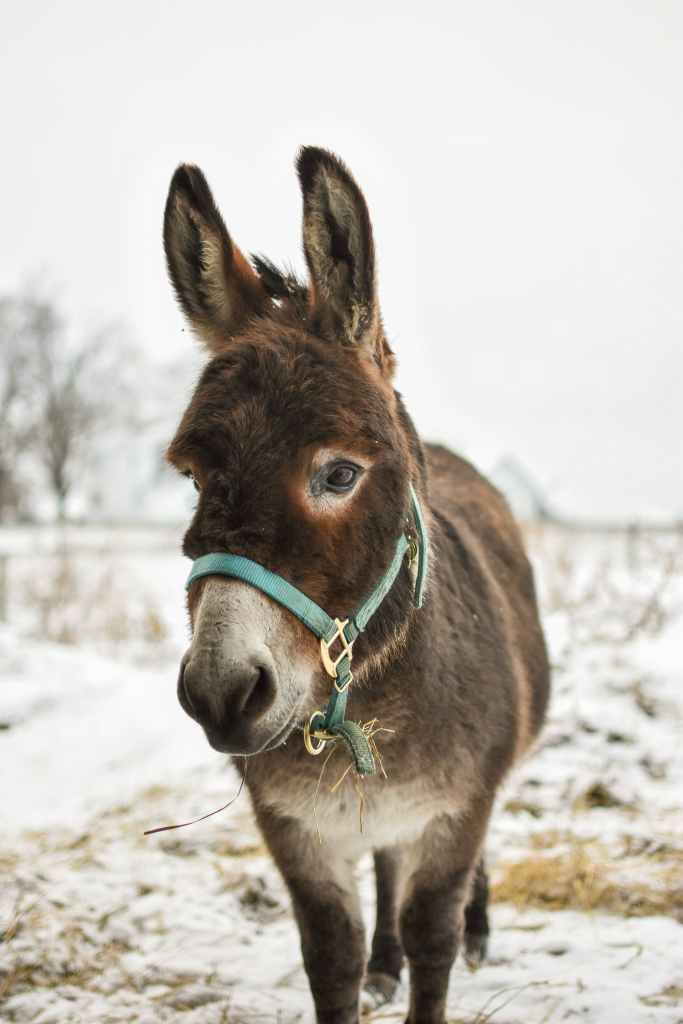
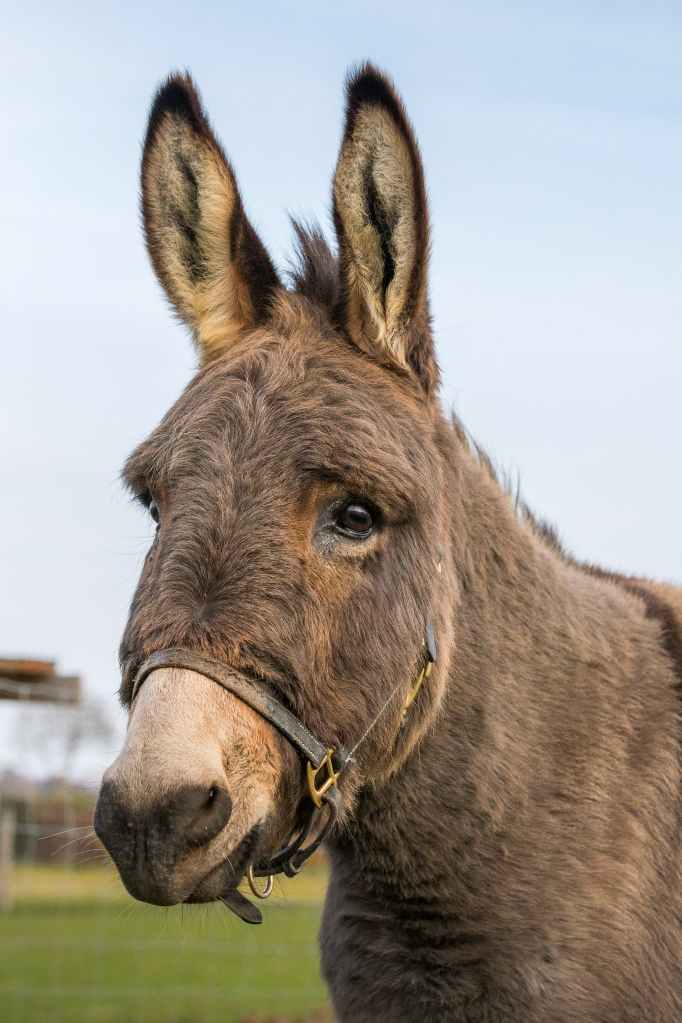
The term “jackass” has a rich historical origin that can be traced back to ancient times. The etymology of the word reveals its connection to the male donkey, scientifically known as Equus asinus. The term “jackass” itself is believed to have originated from the combination of the name “Jack” and the word “ass,” which was the common term used to refer to a donkey.
The name “Jack” was commonly used as a generic name for a man, similar to “John” or “Tom” in modern times. As the male donkey was often used as a beast of burden, its stubborn and unruly behavior became synonymous with the negative stereotypes associated with the name “Jack.” Over time, this association led to the popularization of the term “jackass” as a derogatory slang term referring to a foolish or stupid person.
Comparing Traits: How the Behavior of Donkeys Led to the Nickname “Jackass”
Donkeys, also known as “Equus asinus,” have long been regarded for their distinctive behavioral traits, which have played a significant role in the origin of the nickname “jackass.” One of the primary characteristics that led to this association is their stubbornness. Donkeys are known to be incredibly persistent creatures, often refusing to move or follow instructions when they don’t see the purpose. This stubborn behavior has been likened to that of a person who is unyielding and unwilling to change their stance, hence the term “jackass” being used to describe such individuals.
Another trait that contributes to the nickname is the vocalization of donkeys. Unlike horses, donkeys emit a unique, braying sound that can be loud and harsh, especially when they are distressed or seeking attention. This distinctive braying, with its distinct pitch and tonal range, has been likened to the sound of a human laughing in a somewhat mocking or derisive manner. It is believed that this vocalization, combined with the stubborn behavior, contributed to the association of donkeys with the term “jackass,” which now carries connotations of foolishness or stupidity.
Cultural Significance: The Role of Donkeys in Popular Idioms and Expressions
Donkeys have played a significant role in shaping popular idioms and expressions across various cultures. Their stubborn and resilient nature has made them a perfect metaphor for perseverance and determination. One such idiom is “to work like a donkey,” which signifies working tirelessly and without complaint. Similarly, the phrase “stubborn as a mule,” derived from donkey behavior, is commonly used to describe someone who is unyielding or obstinate in their opinions or actions. Donkeys’ association with patience and endurance is further highlighted in the expression “to have the patience of a saint,” where a saint’s patience is compared to that of a donkey. Overall, donkeys have become synonymous with qualities like hard work, steadfastness, and patience in popular idiomatic expressions.
In addition to idioms, donkeys have also influenced various cultural expressions. In many cultures, donkeys are considered symbols of humility and simplicity. This is reflected in expressions such as “putting on airs,” which refers to someone pretending to be superior or more important than they actually are. The phrase “don’t make an ass of yourself” warns against behaving foolishly or making embarrassing mistakes. Donkeys’ role as pack animals is often used metaphorically to encourage individuals to carry their own burdens and responsibilities. These cultural expressions demonstrate the influence of donkeys in shaping societal values of humility, self-reliance, and avoiding foolishness.
Political Connections: Donkeys, Jackasses, and Their Symbolism in American Politics
The symbolism of donkeys, and their colloquial nickname “jackasses,” has played a significant role in American politics. Throughout history, the donkey has been associated with the Democratic Party, serving as its official symbol since the 19th century. This association traces back to the presidential campaign of Andrew Jackson, where his opponents labeled him a “jackass” as an insult. However, instead of being offended, Jackson embraced the nickname, using it as a symbol of strength and determination. Since then, the donkey has become synonymous with the Democratic Party, representing their values of perseverance and social equality.
The donkey’s symbolism in American politics extends beyond its connection to the Democratic Party. The phrase “jackass” is often used as a derogatory term to describe politicians, particularly those deemed unwise or foolish. This association highlights the perception that politicians can sometimes exhibit stubbornness or make foolish decisions. While originally derogatory, the term has become a common fixture in political discourse, serving as a way to critique or mock politicians across the political spectrum. In this context, the term “jackass” has transcended its original meaning as a nickname for the donkey, evolving into a broader symbol of political ineptitude.
The Evolution of Language: How “Jackass” Became a Common Synonym for Donkey
The use of the term “jackass” as a synonym for donkey has a fascinating history that dates back centuries. The origins of this linguistic evolution can be traced to the Middle English word “jakke,” which referred to a male donkey. Over time, this word underwent changes in pronunciation and spelling, eventually becoming “jack” in the late 17th century. Concurrently, the term “ass” began to be used as a general term for donkey. It was the combination of these two words, “jack” and “ass,” that eventually gave rise to the colloquial term “jackass” to describe a donkey.
As the term “jackass” gained popularity, it became a commonly used synonym for donkey in various English-speaking regions. Its usage spread further with the development of American English. The word “jackass” not only became a way to describe the animal itself but also took on a figurative meaning to describe a foolish or stupid person. This secondary connotation further solidified the use of “jackass” as a synonym for both the animal and an individual with negative qualities. This evolution of language showcases how words can undergo shifts in meaning, taking on new associations and becoming deeply ingrained in our vocabulary.
A Global Perspective: Similar Nicknames for Donkeys in Different Languages and Cultures
In different languages and cultures around the world, donkeys have often been given humorous or derogatory nicknames just like in English, where they are commonly referred to as “jackasses”. For instance, in Spanish, the word “burro” is frequently used to describe these animals. Similarly, in Italian, donkeys are often called “asinello” or “ciuco”. These terms, like their English counterpart, have come to acquire additional meanings beyond their literal translation, often used metaphorically to describe someone who is clumsy or foolish.
In the Middle East, the Arabic word “himar” is used to refer to donkeys and can also be used as an insult, implying stupidity or stubbornness. Another notable example can be found in French, where the term “âne” is used both as a name for donkeys and as an insult meaning dull or foolish. These similarities highlight the shared cultural perception of donkeys across various regions, where the characteristics attributed to them have transcended language barriers and become part of the colloquial lexicon.
Literary References: Donkeys as “Jackasses” in Classic Literature and Folklore
In classic literature and folklore, donkeys have often been portrayed as “jackasses,” a term used to describe their perceived stubbornness and foolishness. These literary references present donkeys as comical and bumbling creatures that provide comic relief and serve as a foil to the more virtuous and intelligent characters. One notable example is the character of Eeyore in A.A. Milne’s beloved Winnie-the-Pooh series. Eeyore’s gloomy disposition and constant pessimism align with the traditional depiction of donkeys as being dim-witted and braying foolishly.
Another well-known literary reference is found in the ancient Greek fable “The Ass and the Lapdog” by Aesop. In this tale, the donkey is portrayed as an inconsiderate and ungrateful animal. The donkey gazes enviously at the pampered lapdog and requests special treatment from its owner. However, when the owner grants the donkey’s wish, it quickly realizes that the luxuries come with expectations and responsibilities that it is ill-equipped to handle. The story serves as a cautionary tale about the dangers of discontentment and a reminder that sometimes simplicity and contentedness are more valuable than seeking what others possess.
Animal Nicknames: Exploring Other Animals and Their Equivalents to “Jackass”
As with any nickname, the term “jackass” is not unique to donkeys. In fact, there are several other animals that have their own equivalents to this amusing moniker. One such creature is the walrus, known for its distinctive tusks and lumbering movements. Often characterized as clumsy and awkward, the walrus has earned the nickname of “sea jackass” due to its somewhat comical demeanor.
Another animal that shares a similar nickname is the penguin. These flightless birds, found primarily in the Southern Hemisphere, are often referred to as “avian jackasses” due to their waddling walk and clumsy nature on land. Despite their gracefulness underwater, penguins’ antics on land have earned them this rather playful nickname.
It’s fascinating how certain traits or behaviors can lead to the creation of humorous animal nicknames. Whether it’s the donkey, walrus, or penguin, these endearing appellations remind us of the whimsical world of animal associations and the playful language we use to describe them.
The Influence of Pop Culture: Donkeys and “Jackasses” in Movies, TV Shows, and Cartoons
Donkeys have been a prominent feature in pop culture for decades, often depicted as comical and endearing characters in movies, TV shows, and cartoons. These lovable creatures have captivated audiences worldwide with their expressive faces, amusing antics, and unique braying sound. From the iconic character of Eeyore in Winnie the Pooh to the mischievous Donkey in Shrek, donkeys have become synonymous with humor and entertainment in the realm of pop culture.
In movies, donkeys have been portrayed as loyal sidekicks, providing comedic relief and emotional depth to the stories. Their juxtaposition with human characters creates a contrast that adds to the humor and captures the audience’s attention. One prime example is the character of Donkey in the Shrek franchise, voiced by Eddie Murphy. Donkey’s witty remarks, energetic personality, and unwavering loyalty to Shrek resonated with viewers of all ages, making him an instant fan favorite. Beyond their comedic roles, donkeys have also been utilized to convey deeper messages about friendship, resilience, and acceptance, as seen in films like “The Black Stallion” and “Spirit: Stallion of the Cimarron.”
The Modern Context: Shifting Perceptions and the Use of “Jackass” in Contemporary Society
In contemporary society, the term “jackass” has taken on a new meaning and significance. Once primarily used as a nickname for donkeys, the word has evolved to describe a certain type of behavior associated with foolishness or stupidity. It has become a popular colloquial term used to refer to individuals who exhibit reckless or idiotic actions. With the rise of reality television and social media, the term has gained even more prominence, often used to describe individuals who engage in outlandish or attention-seeking behavior for entertainment purposes.
Moreover, the use of “jackass” in contemporary society is not limited to individuals alone. It has also become common to use the term to describe political figures or institutions perceived as incompetent or foolish. This usage reflects the way in which the word has transitioned from a mere animal nickname to a symbol of human behavior and characteristics. In this modern context, “jackass” serves as a shorthand for highlighting the shortcomings or absurdities of individuals or institutions, reflecting a shift in societal perceptions and the way language evolves to capture and convey meaning.
 DONKEY CLUB
Leave a comment